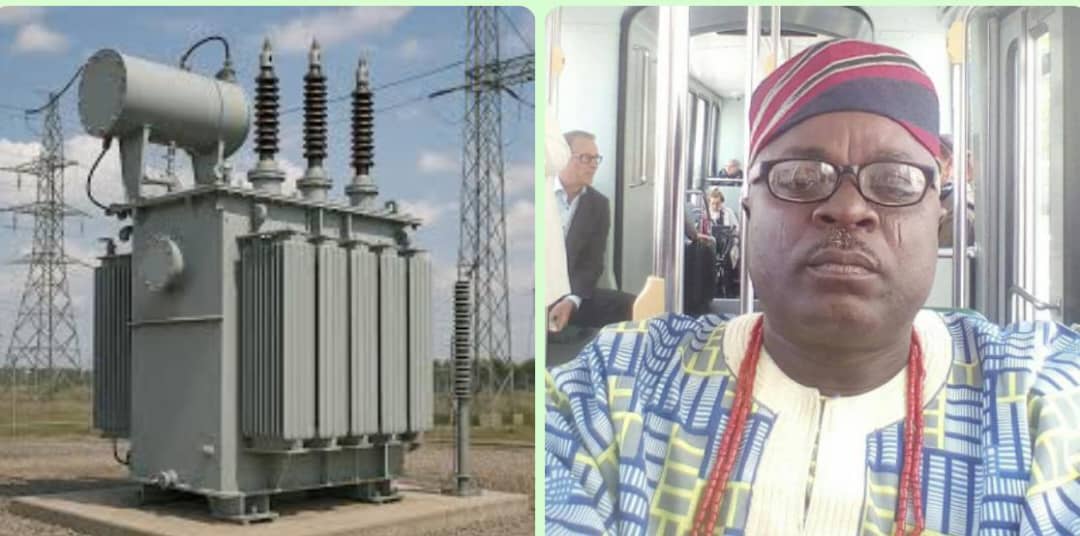





The Ondo State Commissioner for Education Professor Igbekele Amos Ajibefun on Wednesday admitted collecting sitting allowances from the University of Medical Sciences (UNIMED), Ondo, while simultaneously serving as a cabinet member of the state government, amid growing controversy over alleged multiple remunerations.
The development follows allegations that the Commissioner was drawing salaries from two public institutions — a claim he denied, but confirmed he receives statutory allowances as a member of the university’s Governing Council.
Speaking on the matter, the Commissioner described the double salary accusation as “false,” insisting that he does not earn a salary from UNIMED. However, he acknowledged that he receives payments in the form of sitting allowances.
“I do not collect salary from UNIMED. I am not a staff member of the university. I only attend council meetings,” he said.
When asked directly whether he collects sitting allowances, the Commissioner responded in the affirmative.
“Yes, all members of the council collect sitting allowances,” he said, adding that the payments are made during official sittings of the council.
He further disclosed that council meetings typically hold about three times annually, aside from emergency sessions.
Though he insisted the payments are backed by law, he declined to state how much he has received since assuming office.
“I don’t have the figures off-hand. You can ask the universities from their records,” he said.
On whether he receives similar allowances from other state-owned tertiary institutions where he sits on governing councils, the Commissioner did not give a categorical breakdown but maintained that his membership is stat
“As Commissioner for Education, I am a member of the council by law. If the law changes, I will not attend,” he stated.
The controversy has sparked debate within political and civil society circles, with critics questioning the propriety of public officials earning additional allowances from institutions funded by the same state treasury that pays their salaries.
Analysts argue that while such payments may be legally permissible, they raise ethical concerns at a time when workers in some state-owned tertiary institutions have complained about low wages and funding challenges.
The Commissioner, however, maintained that the payments are lawful and part of the statutory framework guiding university governance.
“It is part of the law establishing these universities,” he said.
Despite defending the legality of the payments, the Commissioner’s refusal to disclose the total amount received is likely to fuel further calls for transparency.
As pressure mounts, stakeholders are urging the state government to clarify the remuneration structure for political appointees serving on governing councils of public institutions.
Whether the issue is a case of administrative routine or a matter of ethical concern remains at the center of public debate.